

Microsoft Office And Windows Licensing Choices For Small Companies. Strategic investments that ensure compliance, reduce risk over the long term and expand with growth are the best way to minimize risks. The combination of grey-market Windows 11 OEM keys and separate Office licensing purchases can lead to an unmanageable and insecure IT base. Understanding how Windows licensing, Office subscriptions and even security software interlock creates an integrated system that is efficient and cost-effective. This guide explores ten important factors that go beyond cost to build an efficient, sustainable, and ultimately affordable software ecosystem for expanding companies.
1. Windows 11 Home has no place in a business.
A cheap “windows home key” to a computer in a commercial setting is the most expensive and common mistake. Windows 11 Home does not support joining an Active Directory or Azure Active Directory domain. Additionally, it does not support BitLocker to protect sensitive information. Furthermore, it is required to run unsettling updates. If you are using a machine to handle business data, `windows 11 license” must refer to Windows 11 Pro. Security, controlability and professionalism aren’t an option despite the relatively low price of Windows 11 Pro. A business operating on Home licences has a high-end consumer infrastructure, which is a significant risk.
2. Calculator “Hardware Refresh:” OEM vs. Retail.
The choice to purchase Windows 11 for your business has financial implications over the long-term. The OEM license could be less expensive initially, but it will expire when the first PC the license is installed on. Retail licenses are transferable. OEM could be more appropriate for budget PCs that are not used often. If you have a higher-end computer or you upgrade components individually, Retail licenses save money over time. Calculate the Total cost of Ownership (TCO). Retail licenses are $200 and OEM Pro at $140. If your PC’s lifetime price is $800, the $60 retail premium is a bargain to ensure future flexibility.
3. Microsoft 365 Ecosystem – Where real cost-effectiveness reigns.
Office 2021 as well as other one-time office license purchases are no more an option for modern companies. Microsoft 365 Business Premium (approx. $22/user/month) is typically the most affordable bundle. It includes: Windows 11 Pro upgrade rights (solving your `windows 11 lizenz kaufen` need), the full Office suite, 1TB OneDrive cloud storage, business-class email, and–crucially–Intune for device management and Azure AD for identity. This subscription is legal for all desktop products and offers management tools you can’t get using standalone software. It transforms capital costs into a predictable cost for operating.
4. Windows 7 Upgrade Path, A Mandatory for Safety and Compliance
Companies that are still using Windows 7are sat on the brink of unsupported software. The upgrade process isn’t only about new features; it’s a security and compliance requirement. It’s essential to know that the path forward doesn’t require you to purchase a Windows11 license. It’s a good opportunity to review your approach to software. The transition from Windows 7 + perpetual Office to a device powered by the Microsoft 365 Business subscription modernizes security, allows cloud backup, and facilitates remote work. Cost is a subscription and not only an OS key.
5. Understanding the “CAL Shadow Cost” for Future Growth.
Client Access Licenses, also called CALs, are necessary if an on premises server, such as Windows Server 2025 are needed to host databases or file sharing. This is a requirement for every device or user that accesses the server. This is an additional cost for your windows11 pro desktop licensing. Small-scale businesses’ budgets must include CALs into their long-term plans. Windows 11 Home is not legal for business use and is not able to access Windows Server. Unlicensed software access or Windows 11 Home can cause grave compliance issues during an audit.
6. Bundling Security Vs. the best of Breed
The degree of complexity of your license is determined by which option you select: Windows Defender (included), or a third-party software such as Kaspersky Premium or Norton360. Microsoft 365 Premium features enhanced Defender and centralized control of threats. A separate third-party application could be unnecessary, adding costs and management overhead. If you’re looking for a solution that will meet the requirements of your particular regulatory environment, or if you want to use a third-party platform, then consistency is crucial. One option is less costly and easier to manage than patchwork. In security, the “cost” is usually the time spent managing multiple systems and not the subscription fees.
7. The Grey Market Trap: False Economicity in Licensing.
You will find rates that are just too good to be true when you search unofficial marketplaces for “office Lizenz” and “windows 11. These are usually volumes licenses, OEM keys that violate the terms of another region. They can be deactivated by Microsoft and leave you with unlicensed, insecure software, and the possibility of fines during an audit. This can be a very risky scenario for companies. To achieve true cost-effectiveness it is necessary to buy from Microsoft Cloud Solution Providers (CSPs) or authorized distributors. This ensures full legitimacy as well as support and upgrade rights.
8. PerpetualOffice 2021 – The Niche for Static Air Gapped Scenarios
Office Professional, e.g. 2021), is a perpetual standalone license, which has only a small business case. It will not need cloud services and won’t connect to modern-day management system. It is rare. Subscriptions are more convenient for small business users who require collaboration (Teams or SharePoint) and mobile access and cloud storage. The “cost’ of a perpetual licence is the locked-in software and the loss of productivity that cloud services may provide.
9. Modeling your mobility: Device-Based vs. User-Based Licensing.
Traditional licensing is tied to a device (one `windows 11 oem` license per PC). Microsoft 365 is the modern version. A single license is able to cover as many as five devices (PCs, Macs, tablets as well as phones). This is a great value for businesses that employ mobile employees, hybrid workers and those who provide a computer with a keyboard. You license the person but not the device. Plan your licensing strategy according to your current workforce’s mobility. A subscription based on users will reduce the number licenses required in comparison to an approach which is based on device.
10. Designing an Coherent stack for Audit-Ready.
The most important thing for the small-scale business owner is a well-documented and legally cohesive software stack. The most cost-effective model for a modern small business is often: Microsoft 365 Business Premium (per user) for Windows 11 Pro, Office Management, Security, and a few others. + Legitimate Retail or OEM Windows 11 Pro licenses for devices that aren’t included in the subscription (e.g. dedicated kiosks) + A consistent, controlled security strategy (either through Defender within M365 or via a central third-party application). This stack offers audit-ready functionality as well as scalable and predictable. The “cost” it removes is the hidden cost of chaos: downtime from uncompatible systems, loss of data from inadequate security, as well as legal exposure because of non-compliance. Read the most popular windows 11 lizenz for site examples including office 2016 software, microsoft visio, microsoft office software key, windows server 2016 server, microsoft office 2019, windows server 2019, visio download, office 365 office key, microsoft office 2019, microsoft visio and more.
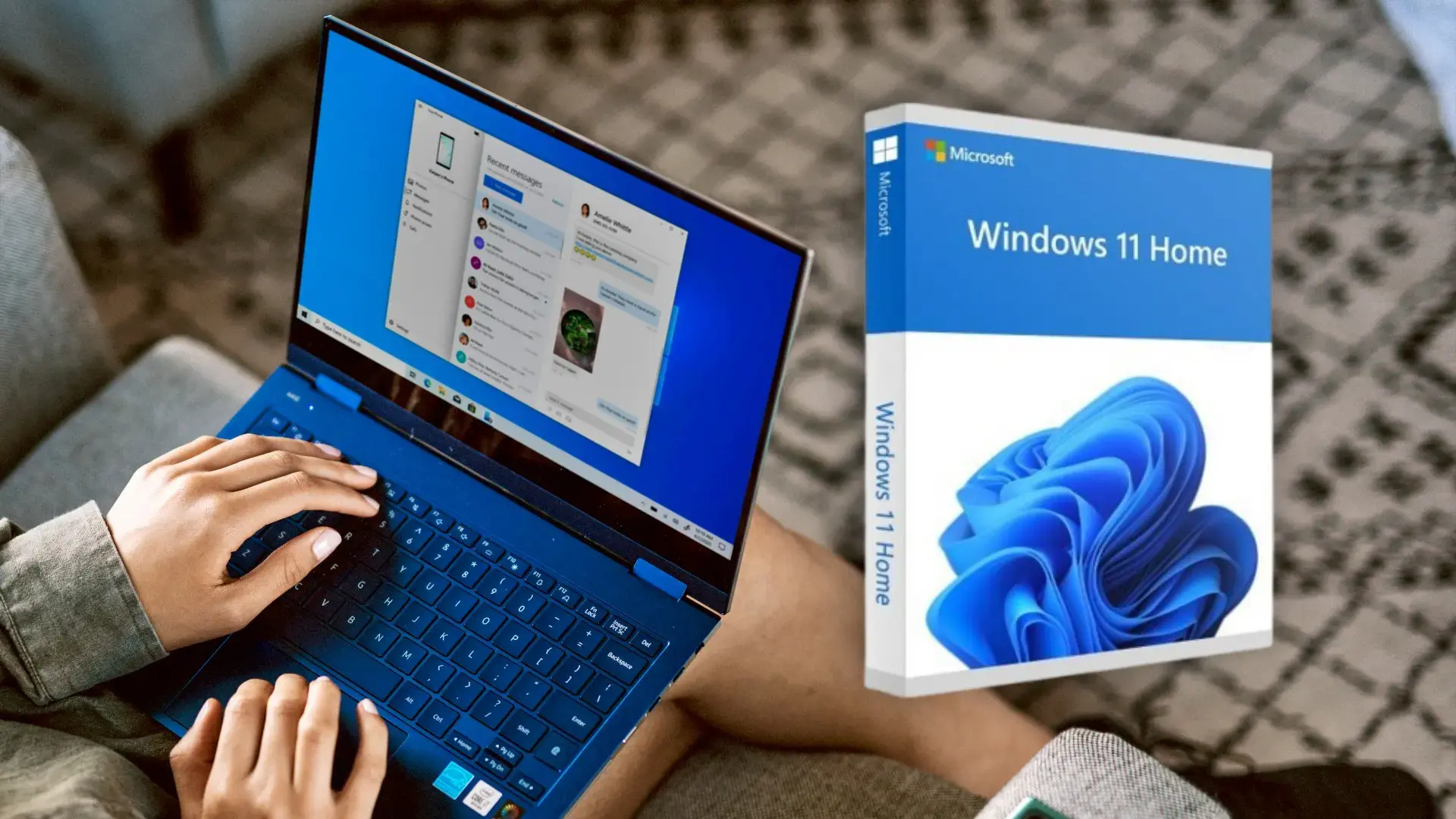
Software Licensing: Evolution From One-Time Purchase To Subscription.
Microsoft 365, a subscription-based service, similar to Windows 7, marks a significant shift in the market for digital. This evolution does not just include a brand new payment method but also a radical change in the user’s relationship to software. It can have a ripple effect on security and productivity and also the overall cost. The old paradigm–exemplified by a one-time `office lizenz kaufen` or an `windows 11 oem` key tied to hardware–valued static ownership and predictable, upfront capital expenditure. The subscription model that is available for Windows, embodied in Microsoft 365, kaspersky premium and norton 360 swaps this enduring status for continuous updates, cloud-integration, and shifts in operational costs. Understanding the evolution of this model can help you navigate the modern licensing and avoid dangers of grey market keys.
1. The Security Imperative is the reason for the Change.
The static, single-purchase model has collapsed under modern cybersecurity threats. An old Windows 7 license or a perpetual Office lizenz that was purchased in 2019 could be vulnerable because security threats continue to evolve. The subscription model financially aligns the company with the user’s security. Microsoft has to constantly upgrade Defender and Office 365 to justify your monthly fee; Norton and Kaspersky must add new protections to retain the user. The previous model, which was similar to Windows 7, created an end-of-support “cliff” while the subscription provides a continuous security boundary.
2. Ecosystem Lock in: From the Platform to the Product.
A one-time purchase was for a product. A platform subscription is what you receive when you sign up to the platform. The Windows 11 Home Key is a key to an operating system. Microsoft 365 Business comes with Windows 11 (with the upgrade rights), Office 2013, OneDrive, Teams and SharePoint. The value lies in the seamless compatibility. This creates not only an effective lock-in, but also incredible convenience and performance, which an array of perpetual licenses (windows lizenz, office, separate backup) will never reach. The licensing unit transfers from the device to the user’s identity.
3. Existential Crisis on the Grey Market
The subscription model comes with a built-in antipathy to the black market which thrives on windows11 buy frauds. A subscription key is a credential for an account, not simply a string of static characters. It expires and is tied to billing. It’s almost impossible to sell illegally in the same way as OEM or Volume License keys are. Subscriptions are slowly killing off the key-reseller business, causing users to switch to legitimate channels, or leaving them with outdated, insecure perpetual versions.
4. Business Accounting Revolution: Predictable OpEx vs. Lump Sum CapEx
This change allows businesses to transition from software being an expense (CapEx) – an expensive small, rare expense that is depreciated over time – to a predictable, continuous cost. Small businesses can gain from better cash flow. However, it alters budgeting. You’ll need to add the costs of the cals you pay to get the “windows 2025” server and the fees per user for productivity and security software. A subscription’s total price may be more expensive than a single-time cost, but provides support and ongoing advancements that were not offered in the previous model.
5. The “Hybrid Model” and Its Confusions Windows 11’s Dual Nature.
Windows 11 is a unique hybrid that spans two different eras. Windows 11 retail or OEM licenses remain available (the older version). You can get it with the Microsoft 365 Business/Enterprise Subscription (the modern version). This hybrid state creates confusion. Windows’ “subscription” is not the OS itself, as it was previously thought of. It’s the right to always use the most current version, along and the cloud management system. This creates two distinct classes of users: those that “own” an old snapshot (Windows 11 24H2), as well as users who “lease”, a continually updated service.
6. Third-Party Security Suites were the first to be developed.
Companies such as Norton (`norton 360) and Kaspersky (`kaspersky premium`) were early adopters of the subscription model for software for consumers. They always relied on the most current threat definitions. They seamlessly moved from selling “3-year licences” to an auto-renew subscription. Bundling new services, such as VPNs as well as password management and cloud backup was usually used to boost monthly value and reduce the chance of churn. Their model was a precursor to the larger market shift.
7. The Server-Side parallel is The original CALs “User subscription”.
Client Access Licenses, also known as Cals to be used in the context of “Windows server 2025” are the precursors to subscriptions that are now modern. The Client Access Licenses represent a continuous right to use the software, even though you’ve purchased the server previously. Although they are usually purchased in bulk, they function as a “subscription” per user/per device to the server’s services. The modern Azure cloud model allows for this to be fully functional, with the cost of storage, compute, and user access by the second or every month, which completes the evolution from perpetual server license + CALs to a pure consumption-based pricing.
8. The Data Sovereignty Challenge and the Permanence Loss of “Permanence”.
The disadvantage of subscriptions is that they are not forever. If you cancel your office lizenz fee then you’ll eventually lose access the applications. This could mean that you’ll lose your data stored in the cloud part of the cloud (like OneDrive). A perpetual Office 2021 license keeps functioning forever, albeit frozen in time. The provider has control over the data and it is permanently locked into. The savvy user must have an explicit data extraction and migration strategy in their subscription plan, an unnecessary feature with a boxed copy of Office 2010.
9. Fragmentation as well as the Bundling counter-trend
Subscription fatigue is being countered by an emerging trend. “Lifetime licenses” are marketing strategies that make use of the fatigue triggered by subscriptions. Bundling subscriptions like a “norton 360” + Office deal is a strategy to streamline and increase value in a world of fragmented subscriptions. We’ve seen numerous bundles mix subscriptions (Norton 360) and perpetual licenses (Office) which creates the creation of a hybrid that is a unsatisfactory combination.
10. Strategic licensing within the Subscription Age: The Integrated Stack.
The end-state of this evolution does not involve managing a collection of different subscriptions, but choosing an integrated strategic stack. It means that the modern business will have a Microsoft 365 Enterprise (which handles Windows, Office and Email, Collaboration and Endpoint Security/Management), Azure AD & intune (for device and identity management, which replaces many of the Windows 2025 and Cals features) and a third-party security (such as kaspersky Premium to track threats in a sophisticated manner). The objective is to get rid of vendors, consolidate the management, and transform software into a seamless and fluid utility, similar to electricity, that can power a business constantly and continuously. View the top cals for site examples including windows office, windows office software, microsoft office with key, office2019 download, windows server software, microsoft office key, office2019 download, microsoft visio, windows server 2016 server, micro soft outlook and more.
