

Bunions are one of those foot problems that sneak up quietly, often dismissed as a minor annoyance until they become a daily source of discomfort. 拇趾外翻 That small bump on the side of your big toe might seem harmless at first, but it could be the beginning of a progressive condition that affects your mobility, shoe choices, and overall quality of life. Recognizing the signs early and knowing when to seek professional help from a podiatrist can make all the difference in managing bunions effectively.
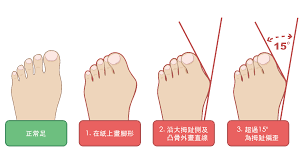
A bunion, medically known as hallux valgus, is a deformity of the joint at the base of the big toe. It occurs when the bones in the front part of the foot shift out of alignment, causing the big toe to lean inward toward the second toe. This misalignment pushes the joint outward, forming a visible bump. While bunions are often associated with aging or poor footwear, they can affect people of all ages and backgrounds. Genetics, foot structure, and lifestyle all play a role in their development.
The earliest signs of a bunion are subtle and easy to overlook. You might notice a slight swelling or redness near the base of your big toe, or feel a nagging pressure when wearing certain shoes. These symptoms often come and go, leading many to ignore them until the condition worsens. But even mild discomfort can be a warning sign that your foot is beginning to shift out of alignment. Paying attention to these early clues can help you take action before the bunion becomes more severe.
One of the most common indicators of a bunion is a visible bump on the side of the foot. This bump may be tender to the touch and can become inflamed after long periods of standing or walking. You might also experience stiffness in the big toe joint, making it harder to move your toe freely. Over time, the big toe may begin to press against the second toe, causing additional problems like corns, calluses, or hammertoes.
Pain is another key signal that it’s time to take your bunion seriously. While some people experience only mild discomfort, others report sharp or burning sensations near the joint. This pain often intensifies with activity, especially when wearing tight or narrow shoes. If you find yourself avoiding certain footwear or changing the way you walk to reduce pain, your bunion may be interfering with your daily life more than you realize.
Changes in your gait or posture can also be a sign that your bunion is progressing. As the foot structure shifts, you may begin to walk differently to compensate for the discomfort. This can lead to strain on other parts of the body, including the knees, hips, and lower back. If you’re experiencing pain beyond your feet, it could be a ripple effect caused by your bunion.
So when should you see a podiatrist? The answer is simple: as soon as your bunion starts affecting your comfort, mobility, or lifestyle. A podiatrist is a medical specialist trained to diagnose and treat conditions of the foot and ankle. They can assess the severity of your bunion, recommend appropriate treatments, and help you develop a plan to manage the condition effectively.
Seeing a podiatrist early can help you avoid more invasive treatments down the line. In many cases, bunions can be managed with conservative methods such as orthotic inserts, physical therapy, and changes in footwear. These interventions can reduce pain, improve alignment, and slow the progression of the deformity. A podiatrist can also provide guidance on exercises to strengthen foot muscles and maintain joint flexibility.
If conservative treatments aren’t enough, your podiatrist may discuss surgical options. Bunion surgery, or bunionectomy, involves realigning the bones, ligaments, and tendons of the foot to restore normal structure. Advances in surgical techniques have made these procedures more effective and less invasive, with shorter recovery times and improved outcomes. However, surgery is typically reserved for cases where the bunion causes significant pain or interferes with daily activities.
It’s important to remember that bunions don’t go away on their own. Left untreated, they often worsen over time, leading to increased pain and deformity. By seeking help early, you can take control of your foot health and prevent complications. A podiatrist can help you understand your options and make informed decisions about your care.
In addition to medical treatment, lifestyle changes can play a crucial role in managing bunions. Choosing shoes with wide toe boxes, low heels, and good arch support can reduce pressure on the joint and improve comfort. Maintaining a healthy weight can also alleviate stress on the feet, while regular stretching and strengthening exercises can support proper alignment.
Living with a bunion doesn’t mean resigning yourself to pain. With the right approach, you can manage the condition and continue to enjoy an active, comfortable life. The key is recognizing the signs early and seeking professional help when needed. Whether your bunion is just beginning to form or has already started to interfere with your routine, a podiatrist can provide the expertise and support you need to move forward.
Your feet carry you through life—step by step, day by day. Don’t ignore the signals they’re sending. If you suspect you have a bunion, or if you’re experiencing foot pain that won’t go away, it’s time to listen to your body and consult a podiatrist. Taking that first step toward treatment could be the one that brings you lasting relief and renewed mobility.